
Is LIV Golf On It's Way Out?
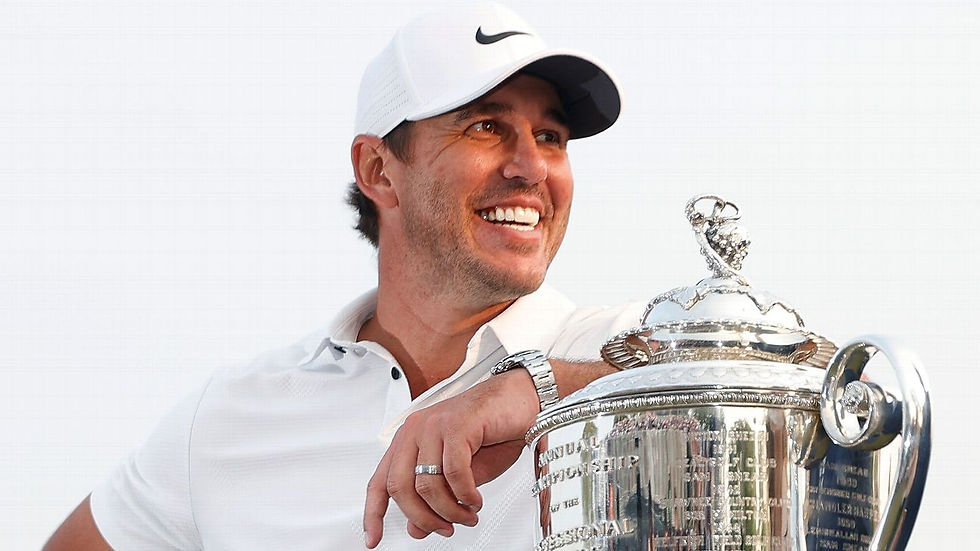
The golf world is buzzing with a story that a few years ago would have seemed unlikely: big name players are beginning to leave LIV Golf and return to the PGA Tour, signaling a possible shift in the professional golf landscape. The latest headline name making that move is Brooks Koepka, whose return under the PGA Tour’s new Returning Member Program has reignited discussions about the future of LIV Golf and the evolving state of the sport.

Whether you follow professional golf closely or casually, this moment represents a turning point—one that reflects deeper changes in how the game is structured, how players prioritize competition, and how performance technology is becoming as important as tour affiliation. But before we look forward, let’s briefly recap the situation.
What Is Happening with LIV Golf?
When LIV Golf first launched it brought headlines, money, and controversy. With backing from deep pockets, dozens of established and rising players signed on to compete in a new format that offered guaranteed purses, team elements, and a different calendar than the PGA Tour.
For a moment this alternative tour seemed poised to disrupt golf’s traditional ecosystem.
Today things feel different. With Brooks Koepka returning to the PGA Tour under the new “Returning Member Program” and other notable names eligible to follow suit, LIV’s momentum is appearing to slow. Reports suggest that the appeal of competing against the strongest fields, playing in historic events, and earning official world ranking points is drawing players back to the Tour that has defined professional golf for decades.
While LIV Golf still exists, these moves back toward the PGA Tour indicate that its allure may be diminishing among elite players who seek competitive benchmarks that matter on a global scale.
Why This Matters Beyond Tour Headlines
Professional golfers make decisions based on more than money. Many consider:
Competitive legacy
World ranking impact
Ryder Cup and International team eligibility
Sponsor relationships
Career longevity
Personal goals and prestige
When big name players begin to choose legacy competition over alternative formats, it suggests that traditional pathways still hold value, especially for those who want their careers defined by competition with the best. In other words, competing against the strongest fields remains the gold standard for many. But the real lesson for golfers at every level is this: Golf is evolving, and the way players prepare and improve is evolving with it. Competition structure may change, but performance demands never do. And that is where tools like AI fitting become essential.
What This Means for Everyday Golfers
You do not need to be a Tour pro to appreciate the larger trend here. Golfers of every level are facing similar choices about how to improve:
Should I practice without plan?
Should I swing randomly or with purpose?
Should I choose clubs based on feel or data?
Should I rely on generic advice or personalized insight?
Just as professional golfers are weighing where to compete, everyday golfers are also navigating where and how to improve. AI has emerged as a tool that bridges desire and performance. As golf transitions into new competitive models, it is also transitioning into data driven improvement.
The Rise of Personalized Performance
In recent years golfers have increasingly adopted technology on the practice range, including:
Launch monitors
Swing analyzers
Video capture and slow motion tools
Ball flight tracking
Fitness and movement screening tools
The common thread in successful improvement is this: Pointless practice is no longer acceptable. Purposeful, personalized, data-driven practice is where results come from. This is where AI fitting enters the picture.
Why AI Fitting Matters in a Changing Golf Landscape
golfgaim’s AI fitting is not just an equipment recommendation tool. It is a performance platform that:
Identifies weaknesses in your swing
Recommends optimized equipment for your mechanics
Matches you with the right golf ball for your launch and spin profile
Suggests practice focus areas based on your performance data
Helps structure practice routines that close gaps efficiently
In an age where golfers seek every possible advantage, relying on generic fitting or one-size-fits-all advice is no longer enough. Professional golfers already use data and analytics to inform decisions that once were based on feel or tradition. The rest of the golf world is catching up.
How AI Helps You Compete With Confidence
The same way elite golfers weigh tournament decisions based on long-term goals, everyday golfers can make smarter improvement choices by relying on AI insights. With AI fitting:
Equipment is tailored to your swing, not an assumed profile
Practice plans are built on your data, not a generic template
Improvement becomes measurable and targeted
Gains come faster and with greater consistency
When the professional game shifts, the amateur game often follows. The question is not whether golf will continue to evolve. The question is how you will evolve with it.
The Takeaway
The movement of major players back to the PGA Tour suggests that competitive legacy and performance standards still matter. It also shows that golf landscapes are dynamic, subject to change, and influenced by what players value most.
Similarly, golfers who invest in intelligent tools like AI fitting are recognizing that the traditional ways of playing and improving are giving way to more precise, personalized methods. As golf continues to evolve, staying ahead means embracing smarter tools and technologies that help you perform at your best.
Whether changes in the professional game excite you, intimidate you, or make you smile, one thing is clear: Golf improvement is becoming more sophisticated, more individualized, and more data driven than ever before. Innovation is not just for the pros. It is for every golfer seeking better performance and more enjoyment from the game.
If you want improvement that actually moves your game forward, embrace the tools that make it possible. Explore how golfgaim’s AI fitting can transform your equipment, your practice, and your swing.


Comments